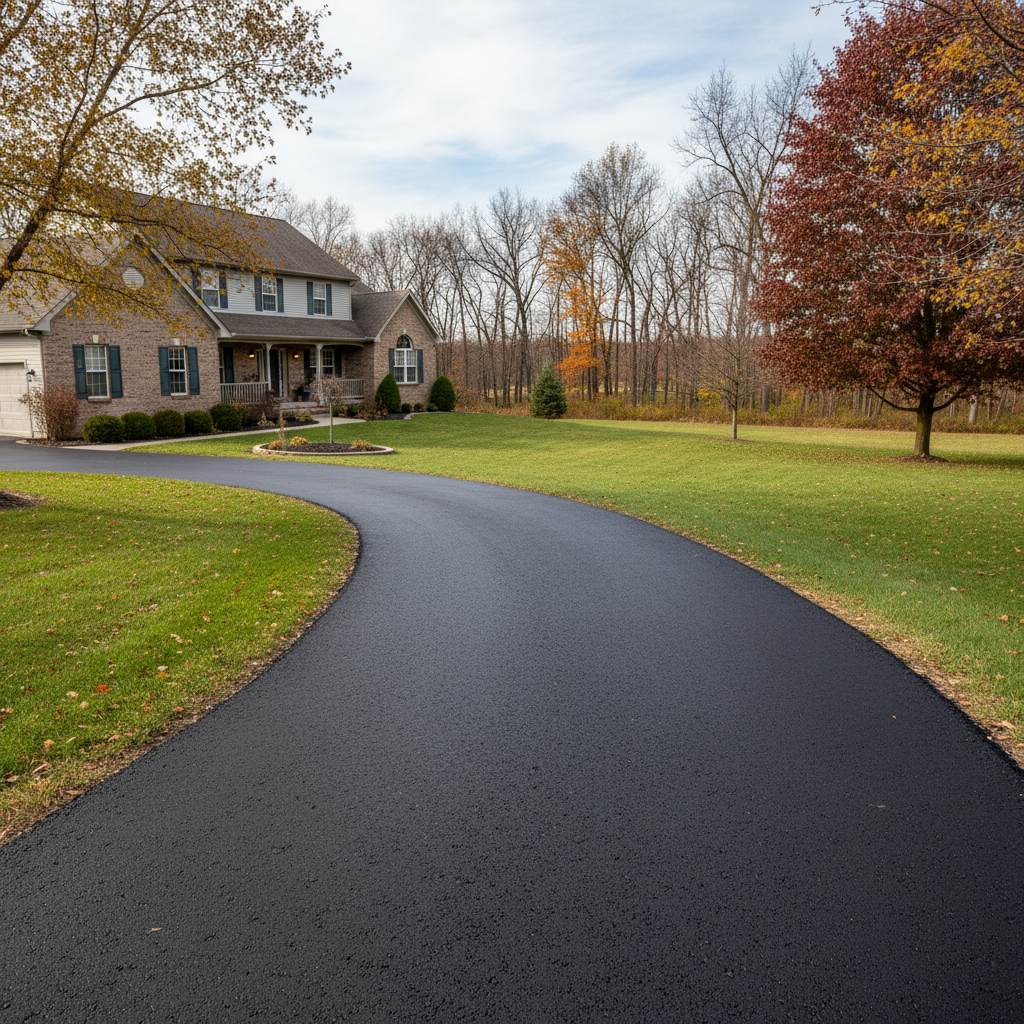
Your asphalt driveway is a big investment, and here in Granger, it's got its work cut out for it. We see everything from scorching summer sun to deep freezes and thaws that can really put a strain on pavement. I've been doing this for years with Paradise Asphalt Co, and I've seen firsthand what our local climate does to driveways.
When to Schedule Asphalt Work in Granger
Timing is everything when it comes to asphalt. You can't just lay it down whenever you feel like it. The material needs specific conditions to cure properly and give you a durable surface. Generally, the sweet spot for new asphalt paving or major repairs is spring through early fall.
- Spring (April to June): This is prime time. The ground has thawed out completely, and we're usually getting consistent temperatures above 50 degrees Fahrenheit. The days are getting longer, giving the asphalt plenty of time to set before cooler nights.
- Summer (July to August): Still good, but it can get tricky if it's too hot. Extreme heat can make the asphalt difficult to work with and might affect compaction. We're always watching the forecast for those 90-degree-plus days.
- Early Fall (September to October): Another excellent window. The ground is still warm, and the air temperatures are usually ideal – not too hot, not too cold. You want to get the work done before the consistent overnight freezes start rolling in, usually by mid-November around here.
What you absolutely want to avoid is winter. Trying to pave in freezing temperatures is a recipe for disaster. The asphalt won't compact correctly, and you'll end up with a weak, brittle surface that breaks down fast. It's just not worth it.
Weather Conditions That Affect Asphalt Work
It's not just the season; it's the daily weather too. A good contractor, like us, is always checking the forecast. Here's what we're looking for:
- Temperature: As I mentioned, above 50°F is ideal for laying and compacting. For sealcoating, you want temperatures consistently above 55°F and rising, with no rain in the forecast for at least 24-48 hours.
- Rain: You can't pave or sealcoat in the rain. Period. Water interferes with the asphalt's ability to bond and cure. If there's a chance of rain, we're rescheduling. It's better to wait a day or two than to do a shoddy job that won't last.
- Humidity: High humidity can slow down the curing process for sealcoats, but it's less of an issue for fresh asphalt paving.
- Wind: Strong winds can cool asphalt too quickly during paving, making it harder to work with. For sealcoating, it can cause uneven drying or blow debris onto the wet surface.
Sometimes, folks in neighborhoods like North Shore Club or Knollwood ask why we had to push a job back a day or two. It's almost always because the weather just wasn't cooperating. We're not trying to be difficult; we're trying to give you the best possible result.
Protecting Your Asphalt Investment Year-Round
Once you've got a beautiful, fresh driveway, you want to keep it that way. Here's how to protect your investment:
Spring & Summer
Keep it clean. Sweep off dirt, leaves, and debris regularly. Don't let oil or gas spills sit; they'll eat away at the asphalt. Clean them up immediately with an absorbent material and a mild detergent. Also, keep an eye on the edges of your driveway. If grass or weeds start growing into cracks, pull them out before they cause more damage.
Fall
This is when you should consider sealcoating. A good quality sealcoat every 2-3 years protects your driveway from UV rays, water penetration, and oxidation. It's like sunscreen for your driveway. It also fills in tiny surface cracks before they become big problems. Make sure any cracks are filled before sealcoating.
Winter
This is the toughest season for asphalt in our area. The freeze-thaw cycles are brutal. Water seeps into tiny cracks, freezes, expands, and then thaws, creating bigger cracks and potholes. That's why crack filling in the fall is so important. When it snows, use a snow blower or a shovel. If you use a plow, make sure it has a rubber edge to prevent gouging the asphalt. And be careful with de-icing chemicals. Some, especially those containing ammonium sulfate or ammonium nitrate, can be very corrosive to asphalt. Stick to sand or calcium chloride if you need extra traction.
Taking these steps throughout the year will significantly extend the life of your driveway. It's about being proactive, not reactive. If you've got questions about your specific driveway or need a quote for repair or sealcoating, don't hesitate to give Paradise Asphalt Co a call. We're here to help Granger homeowners keep their driveways in top shape.