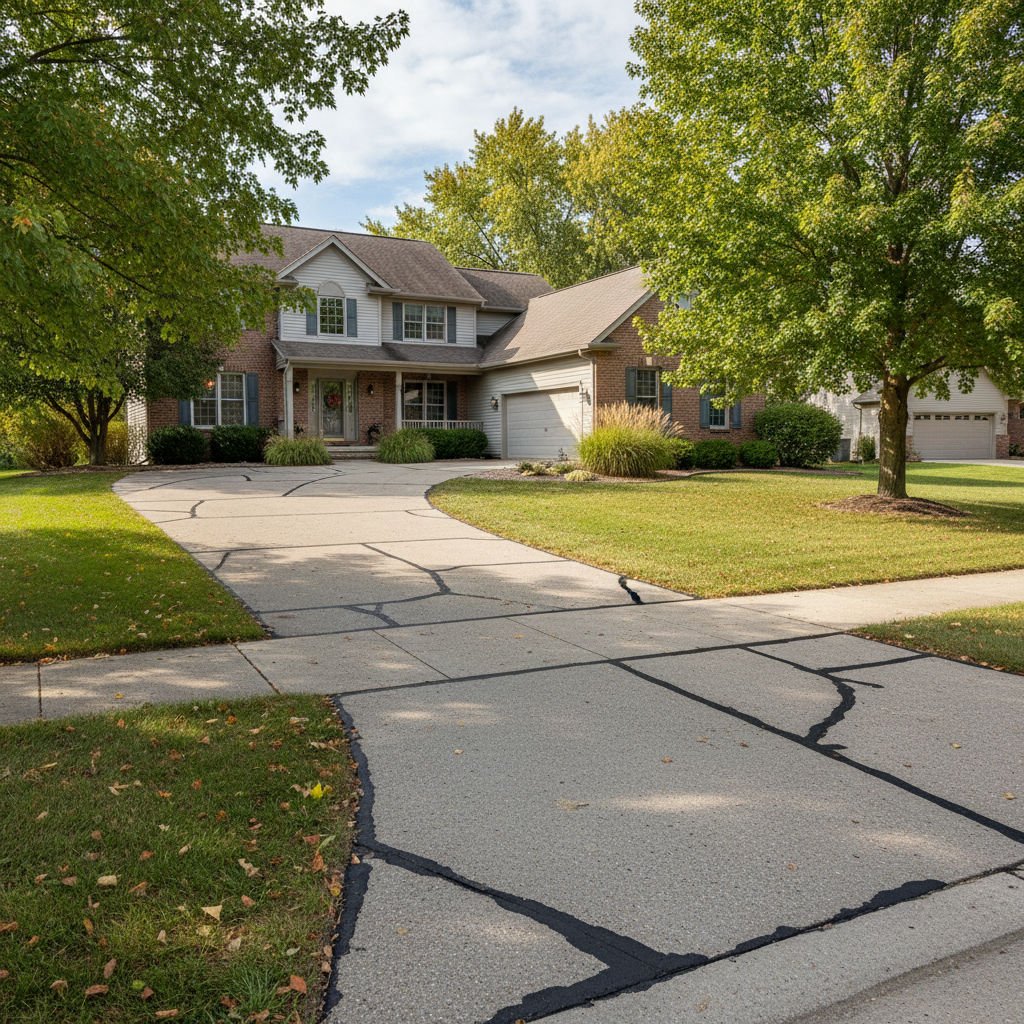
Seeing a new pothole pop up after a brutal winter can be incredibly frustrating, can't it? You want it gone, and you want it fixed correctly. But when it comes to patching asphalt here in Granger, timing isn't just a polite suggestion; it's absolutely critical for a repair that actually holds up.
I've been working on driveways around here for years, from the older homes near Knollwood Country Club to the newer developments out by Heritage Square, and I've seen firsthand what happens when people try to patch at the wrong time. You end up with repairs that just don't bond right, they crumble quickly, and honestly, it's just a waste of your hard-earned money. So, let's chat about how to protect your investment all year long.
When's the Best Time to Patch Your Asphalt?
Generally, the best time for asphalt patching is when the weather's warm and dry. Think late spring, summer, and early fall. Why? Because the materials we use, especially hot asphalt, need specific conditions to cure and bond properly. It's a science, really.
- Spring (late April through June): Once the ground has completely thawed and we're past those consistent freezing nights, spring is a fantastic time. The air and ground temperatures are on the rise, and we usually get a good stretch of dry days. This lets the asphalt cool and harden just right, creating a strong, durable patch.
- Summer (July through August): This is prime patching season, hands down. The heat helps the asphalt stay pliable during installation and really promotes excellent adhesion. Just keep an eye out for heavy rain showers, though; they can pop up pretty quickly here in Indiana. We simply can't work on wet surfaces.
- Early Fall (September through October): As long as overnight temperatures aren't consistently dipping below 50 degrees Fahrenheit, early fall is still a solid window. You really want to get those repairs done before the truly cold weather and those nasty freeze-thaw cycles start hammering your driveway again.
What you absolutely want to avoid is patching in the dead of winter or during long, cold, wet spells. Cold asphalt just doesn't compact as well, and water can get trapped underneath, which leads to premature failure. It's just not worth the hassle.
Weather Conditions That Really Impact the Work
Beyond just the season, specific weather conditions play a huge role in how well a patch will hold up. I'm talking about more than just the temperature, believe me.
- Temperature: For hot asphalt patching, we really need ambient temperatures to be above 50°F, and ideally, they should be rising. The asphalt mix itself comes out of the plant scorching hot, but if the ground and air are too cold, it cools down way too fast. That makes it tough to work with and properly compact.
- Moisture: This is a big one, perhaps the biggest. We absolutely cannot patch a wet surface. If there's standing water, or even just a damp surface, the new asphalt won't bond to the old stuff. It'll just sit on top, and you'll find it breaking apart in no time. That's why a string of dry days is like gold for us.
- Sunlight: While not quite as critical as temperature or moisture, a sunny day definitely helps warm the existing asphalt and the ground, which aids in the bonding process.
Sometimes, I'll get calls in January from folks with a big pothole, desperate for a fix. I totally get it. But I'll be honest with you: a temporary cold patch might hold for a bit, but it's never a permanent solution. For a repair that truly lasts, you've just got to wait for the right conditions. It's much better to wait a few months for a proper fix than to end up paying twice, don't you think?
Protecting Your Investment All Year Round
Once you've got those patches done right, you want them to last, right? Of course! Here's how you can help protect your asphalt driveway:
- Sealcoating: Think of this as your driveway's sunscreen and rain jacket. A good sealcoat every 2-3 years protects the asphalt from harsh UV rays, water penetration, and oil spills. It's a small investment that really pays off big in extending your driveway's life.
- Drainage: Make sure water isn't pooling on your driveway. Proper drainage keeps water from seeping into cracks and causing damage, especially during our freeze-thaw cycles. If you've got low spots, that's definitely something to address.
- Edge Protection: The edges of your driveway are often the weakest points. Keep heavy vehicles from driving on them, and consider adding a gravel or concrete border if you don't have one already.
- Prompt Repairs: Don't let small cracks become big potholes. As soon as you see a crack, get it sealed. Early intervention is always, always cheaper than waiting for a major repair.
At Paradise Asphalt Co, we're all about doing the job right the first time. That means understanding our local Granger climate and knowing exactly when to tackle those repairs for maximum durability. If you've got questions about your driveway's condition or when to schedule a patch, don't hesitate to give us a call. We're here to help keep your asphalt looking good and performing strong.