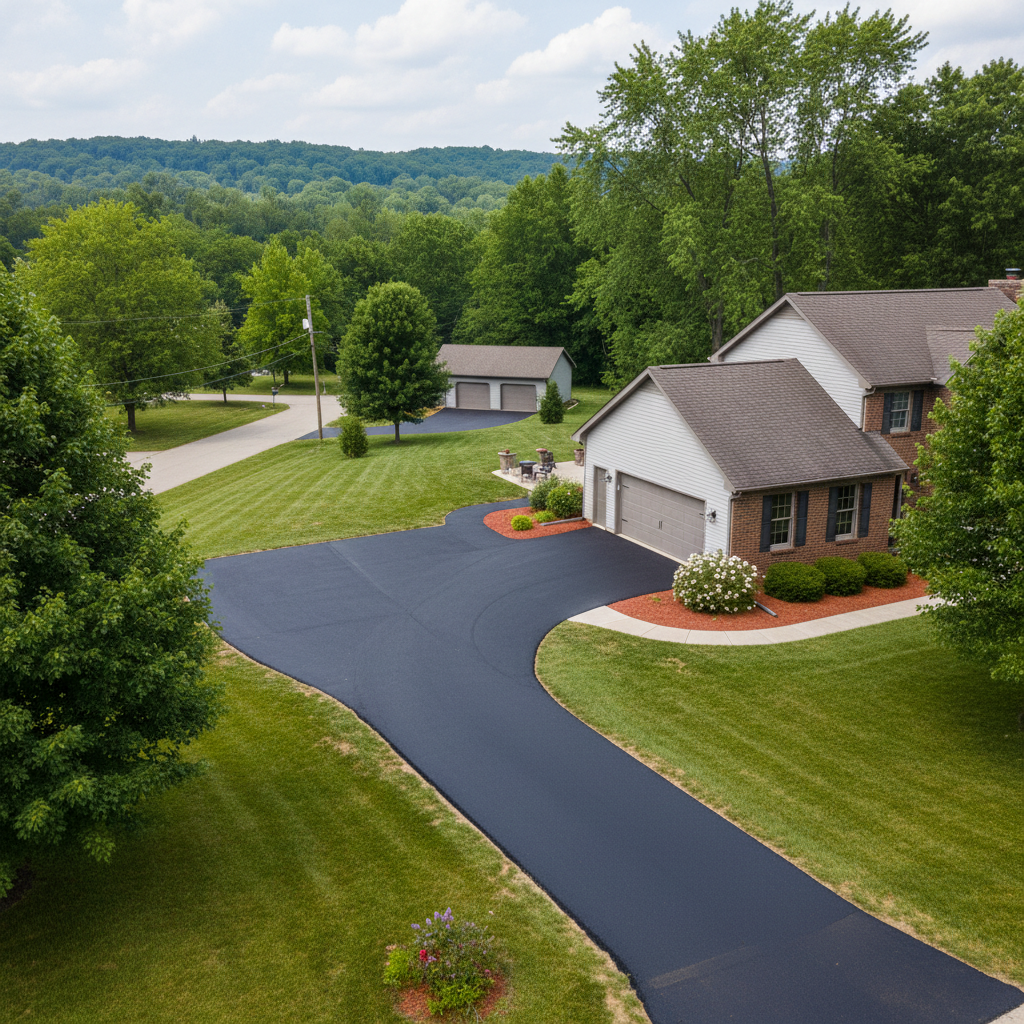
So, you're finally ready to tackle that driveway project? Good for you. A new asphalt surface isn't just about making your place look better; it's a real investment in your home and, frankly, your sanity, especially with our Indiana weather throwing everything at us. But hold on a second. Before you jump in, you really need a plan. I've seen enough projects go sideways because folks didn't know what to expect, so let's just walk through it together.
Understanding Your Project Timeline
First things first, let's talk timing. Most people think about asphalt in the spring or summer, and yeah, that's usually when we're swamped. But planning? That needs to start way before the first truck even thinks about rolling up.
- Initial Inquiry & Quote (2-4 weeks): You'll definitely want to get a few quotes. Don't just call one place; chat with a couple of reputable companies. We're usually out doing estimates within a week or two, but honestly, it just depends on how busy our schedule is. Make sure you get everything in writing, too.
- Scheduling (4-8 weeks out): Once you pick a contractor, they'll get you on their schedule. The good ones are often booked out weeks, sometimes even months, especially during our busiest times (late spring, early fall). So, don't expect us to show up tomorrow, okay?
- Permits (Varies, if needed): For most residential driveways right here in Granger, you probably won't need a permit. But if your project involves big drainage changes, expanding into the public right-of-way, or something a little out of the ordinary, your contractor should definitely tell you if the city or county needs a permit. That can easily add weeks to the process.
- Construction (1-5 days): The actual paving work itself is usually pretty quick for a house driveway. We're talking excavation, grading, base prep, and then the asphalt layers. A typical residential driveway might take just 1-3 days, depending on its size and how complicated it is. Bigger, more intricate jobs, or those needing a lot of drainage work, could stretch to a full week.
- Curing (3-6 months): This part is super important. Your brand-new driveway isn't ready for heavy use right away. It needs time to cure and harden up. You'll be able to drive on it carefully within a few days, sure, but no heavy trucks, trailers, or parking in the same spot for long periods for at least the first few months.
What to Expect During the Process
Alright, so you've got your contractor, you're on the schedule. What's it actually going to look like when we pull up?
- Excavation and Grading: We'll rip out your old driveway, if there's one there, and then dig down to the right depth. This is where we shape the ground, making sure water drains away from your house properly. Heads up: this part can get loud and dusty.
- Base Preparation: This is absolutely critical, no kidding. A good asphalt driveway is only as strong as the base underneath it. We'll lay down a layer of aggregate (that's crushed stone), compact it thoroughly, and make sure it's perfectly sloped. This step is what stops future cracking and sinking.
- Asphalt Paving: Here's where the magic happens. Hot asphalt goes down in layers, usually 2-3 inches for residential jobs, and then heavy rollers compact it. It'll be steaming and smell like fresh asphalt – some folks love that smell, some, well, not so much.
- Cleanup: We'll clean up the site, haul away debris, and make sure everything looks neat and tidy before we head out.
Expect some noise, some big equipment, and a few guys working hard. We really do try to be as minimally disruptive as possible, but for a few days, it's a construction site.
How to Prepare Your Property
You can actually help make the whole process smoother for everyone involved.
- Clear the Area: Move anything that's in or near the driveway path – cars, boats, trailers, trash cans, planters, kids' toys. We need clear access, plain and simple.
- Mark Sprinklers & Utilities: If you've got an invisible dog fence, sprinkler heads, or landscape lighting buried near the driveway, mark them clearly with flags or spray paint. We absolutely do not want to accidentally hit anything.
- Inform Neighbors: Give your neighbors a heads-up. There will be noise, trucks, and possibly some temporary access issues. It's just good neighborly etiquette, especially if you live in a tighter-knit community like those around Juday Creek.
- Plan for Access: You won't be able to use your driveway for a few days, maybe even longer for certain vehicles. Figure out where you'll park your cars ahead of time.
- Secure Pets and Kids: This is a construction zone, remember? Keep pets indoors or securely leashed, and make sure the kids know to stay far away from the equipment and work area.
Key Questions to Ask Before Signing a Contract
This is your chance to protect yourself and make sure you're getting a quality job. Don't be shy about asking.
- What's your full company name and physical address? Make sure they're legitimate. Paradise Asphalt Co. is right here in Granger, for example.
- Are you licensed and insured? Ask for proof of liability insurance and workers' compensation. This isn't negotiable. If someone gets hurt on your property and they're not insured, you could be liable.
- Can you provide references? And actually call them, please. Ask about the contractor's professionalism, how timely they were, and the quality of their work.
- What's included in the price? Get a detailed breakdown. Does it cover excavation, base material, asphalt layers, compaction, and cleanup? What about any drainage work?
- What kind of base material will you use, and how thick will it be? For residential driveways, I usually recommend at least 6-8 inches of compacted aggregate base.
- How thick will the asphalt layers be? You want at least 2-3 inches of compacted asphalt for a durable residential driveway.
- What's your warranty? A good, reputable contractor will stand behind their work. Understand what's covered and for how long.
- What's the payment schedule? Be wary of anyone asking for a huge upfront deposit. A reasonable deposit is fine, but you shouldn't pay in full until the job is completed to your satisfaction.
- How will you handle drainage? This is a huge deal in Granger, especially with our clay soils. Proper drainage prevents water from pooling and undermining your driveway.
Doing your homework upfront will save you so many headaches and a lot of money down the road. A good asphalt driveway should last you decades, so take the time to plan it right. If you've got more questions, just give us a call at Paradise Asphalt Co. We're always happy to talk shop, really.