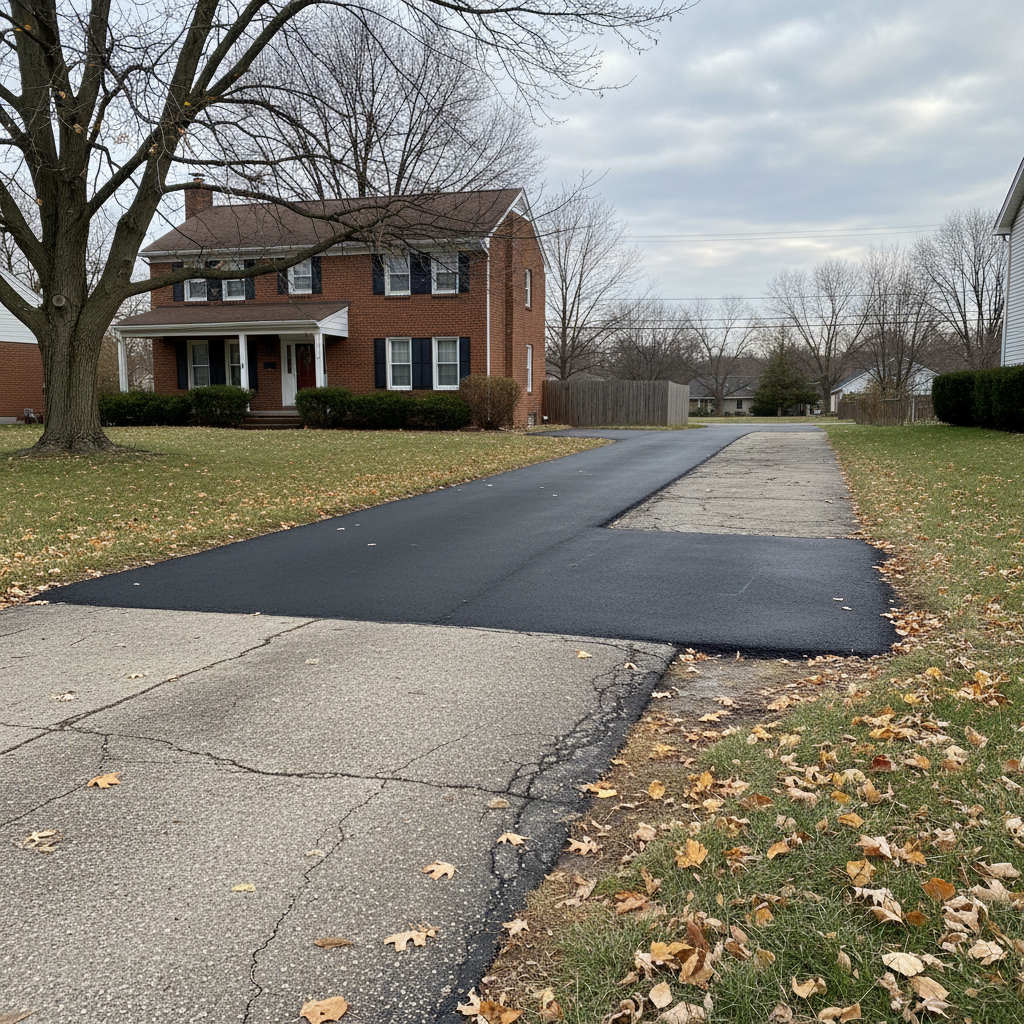
When's the Best Time for Asphalt Repair in Granger?
So, you've spotted a crack, a pothole, or maybe your driveway just looks a bit worn out. Your first thought probably is, "I need to get this fixed!" But when it comes to asphalt repair here in Granger, timing really does make all the difference. It's not like fixing a leaky faucet, where you can just call someone any day of the year. Asphalt, especially the kind we use for driveways, is pretty sensitive to both temperature and moisture, you know?
Generally, I tell folks the best time for most asphalt work is spring, summer, and early fall. Think about it: the ground needs to be completely thawed, and we need consistent temperatures for the material to cure right. Here in Northern Indiana, that usually means sometime in late April right through October. If you try to do repairs when it's too cold, the asphalt won't bond properly. It'll just be brittle, and you'll likely face the same problems, or even worse ones, come next winter. And if it's too hot, like those scorching 90-degree days we sometimes get in July? That can also mess with how the material handles and sets up. We're really looking for that Goldilocks zone—not too hot, not too cold.
Weather Conditions That Make or Break the Job
Beyond just the temperature, other weather conditions play a huge role. Rain, for example, is a big no-go for most asphalt applications. You simply can't lay hot asphalt on a wet surface; it just won't stick. It's kind of like trying to put a bandage on a wet arm—it's not going to stay. So, if we've got a stretch of rainy days, we'll have to reschedule. That's frustrating, I know, but it's always better to wait for a dry day than to do a shoddy job that won't last.
Wind can also be a factor, especially when we're sealcoating. A really windy day can make the sealant dry too quickly or even blow dust and debris onto the fresh coat, and nobody wants that. We're always checking the forecast, sometimes right up to the morning of the job, just to make sure conditions are perfect. We want to give your driveway the best chance at a long life, and that starts with ideal application conditions.
Protecting Your Investment Year-Round
Once your driveway is repaired and looking good, you want to keep it that way, right? It's not just about getting the repairs done; it's about maintaining that investment. Here are a few things you can do:
- Keep it clean: Sweep off dirt, leaves, and other debris regularly. This stops organic matter from breaking down on the surface and causing issues.
- Watch for spills: Oil, gas, and other chemicals are asphalt's worst enemies. They break down the binder that holds the asphalt together. Clean up spills immediately. A little kitty litter, believe it or not, can absorb fresh spills really well.
- Sealcoat regularly: I really can't stress this enough. Sealcoating every 2-3 years is like sunscreen for your driveway. It protects against UV rays, water penetration, and those nasty freeze-thaw cycles we get here in Granger, especially in neighborhoods like Knollwood where driveways see a lot of sun and then heavy snowmelt.
- Address small cracks quickly: Don't let a small crack turn into a big pothole. Catching them early with crack filling is much cheaper and easier than a full repair later.
- Mind heavy loads: Try not to park really heavy vehicles, like RVs or loaded trailers, in the exact same spot for extended periods, especially during hot weather. All that weight can cause indentations.
- Snow removal smarts: When you're plowing or shoveling, try to keep the blade slightly above the asphalt surface. Digging into the asphalt can cause damage.
We've been doing this for a long time at Paradise Asphalt Co, and we've seen just about everything. We know what works and what doesn't for our specific climate. If you've got questions about your driveway or when to schedule your next repair or sealcoat, just give us a call. We're always happy to talk you through it and make sure you're getting the most out of your asphalt investment.